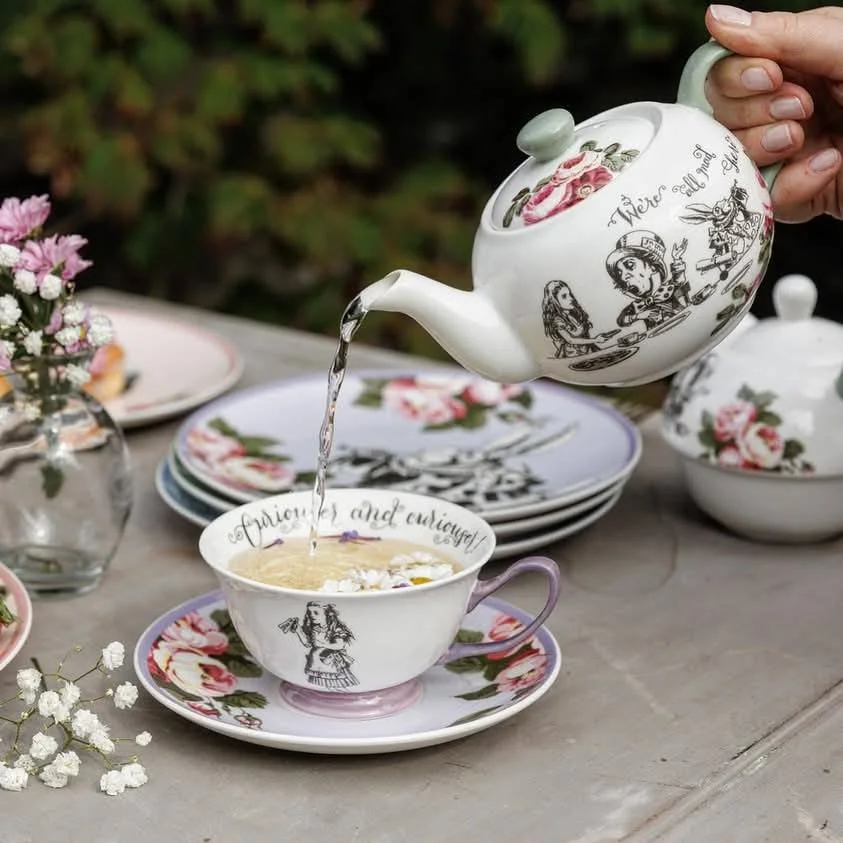
Just as the light begins to change from winter white to golden spring, imagine Easter, and the Spring Equinox pulling up chairs at a kitchen table. Easter brings baskets, eggs, lilies, rabbits, hymns, and a calendar full of holy arguments. The Spring Equinox pours the tea, balances day and night in both hands, and says, “Before anyone claims this story, let’s talk about where it has been.”
This is a conversation about origins, but not the tidy kind with one beginning and one answer. It is about overlapping traditions, borrowed symbols, seasonal longing, and the human habit of looking at the returning light and asking what it means. So, we begin with the question my Pagan childhood taught me to ask: What happened before that?
As a child growing up, I was taught to follow questions the way one follows a path into the woods: patiently, curiously, and without assuming the first answer is the last. Again and again I was encouraged to ask “the question”: “What happened before that? And what happened before that? And what happened before that?” Today, I invite you to carry that question with us like a lantern, as together we trace its light backward through story, symbol, season, and memory—back 30,000 years.
Cultural historians find, in the celebration of Easter, a convergence of the three traditions - Pagan, Hebrew and Christian.
Eostre, Bede, and Easter
According to the Venerable Bede, an English historian and monk of the early 8th century, the English word “Easter” may derive from the Old English month-name Eosturmonath, which Bede associated with a goddess named Eostre. Because Bede is the main early source for this claim, it is best understood as an important but debated tradition rather than a settled origin story.
History is often written through the eyes of those who record it, the victors, and Bede’s interpretation may have been just that: an interpretation. He is the first known writer to refer to Eostre as a goddess. There is little corroboration outside his account, so what he witnessed may have been a local spring or fertility custom rather than evidence of a widely worshipped deity.
Cycles of Nature
As People of the Earth — which we all are — we live in a world of circles, interlocking and concentric wheels of life and time. Our lives constantly overlap the lives of others, but at the root we share things that are forever unchanging:
• Breath
• Sun rise & set
• Moon phases
• Seasons
As these cycles change, what happens inside of us is mirrored by what’s happening outside in Nature – and vice versa
Melancholy of fall
Despair of winter
Quickening – Feb
Here in the Midwest, we are now experiencing the Hope of Spring.
Hope of Spring -- outside
• Light changes
• Animal sightings
• Birdsong changes – where once they fought now they’re in love
• Ground softens
• Green shoots push up from the dirt
Inside
• Flutters… renewal
• Stand straighter
• Breathe deeper
• New clothing
• Clean house
• Cabin fever – throw open the windows
Spring as Fertility
Returning to the Venerable Bede, we have to remember that he observed, assumed, and reported from within his own cultural frame. His account is not repeated elsewhere, which makes it important but not definitive.
The "Oestre" name in Latin apparently derives from the Greek and has its roots in a word that means "frenzy." We see this word again in English in "estrus," meaning a female mammal 'in heat' and able to conceive, and there we see the meaning behind the "frenzy" definition.
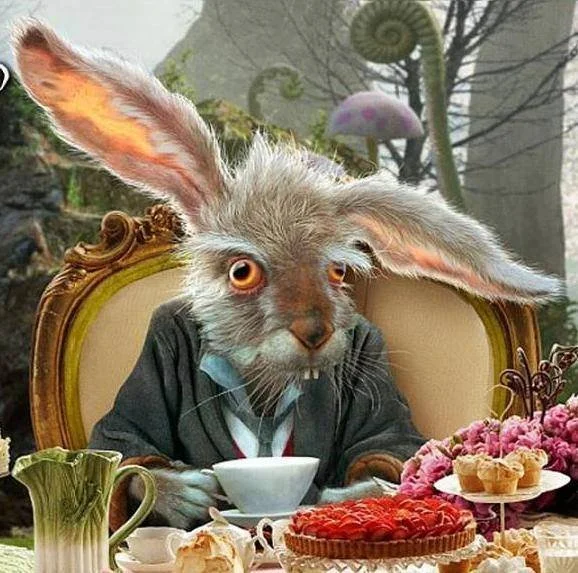
Fertility sexuality… Mating rabbits…Mad as a March Hare…
The English name "Easter" is much newer. When the early English Christians wanted others to accept Christianity, they used the name Easter for this holiday so that it would match the name of the old spring celebration. This made it more comfortable for other people to accept Christianity.
Throughout the world, spring is the season of sexual fertility: what was once barren, dead, and cold becomes resurrected, alive, and rising. Tree sap begins to move, green shoots push upward, and even the body responds to light, warmth, and renewed energy.
That rising energy is marked in celebrations across cultures and seasons: Mardi Gras, Carnival, prom, and Easter all gather around themes of release, renewal, fertility, and transformation.
The Christian Easter Frame
The Council of Nicaea in 325 established the dating of Easter within the Christian calendar.
It is the first Sunday after the first full moon that follows the vernal equinox on March 21st.
Resurrection Archetypes
Resurrection is not only a Christian theme; it is one of the great recurring images in human religious imagination.
He who speaks with primordial images speaks with a thousand tongues… (Carl Jung)
Many cultures, ancient and modern, tell stories of descent, return, death, rebirth, or renewed fertility. The details differ greatly, and scholars debate whether these stories should all be grouped together, but they reveal a deep human impulse to connect spring with restoration and the renewal of life.
Rather than one single 30,000-year-old doctrine, the larger pattern is a very ancient human fascination with cycles of death, return, fertility, and transformation.
Across history, these stories often echo one another, carrying a common thread without being identical:
• A divine or semi-divine figure is born under unusual or sacred circumstances
• That figure teaches, suffers, descends, is wounded, dies, or is separated from the world of the living
• Trees, spears, wounds, underworld journeys, or ritual sacrifice sometimes appear as part of the symbolic landscape
• The figure may enter the underworld, encounter hidden knowledge, or become associated with seasonal loss and return
• In some traditions the figure rises, returns, or is ritually remembered in connection with spring or renewed fertility
• The mother, consort, or divine feminine figure is often central to restoration, mourning, protection, or renewed life
1. Osiris — one of the earliest Egyptian examples
What sets Osiris apart is that after his death, his body is dismembered and scattered. Isis, his wife, gathers the pieces and restores him long enough to conceive Horus. Osiris does not simply return to ordinary earthly life; he becomes lord of the underworld. Still, the story preserves a powerful image of fertility restored after death.
2. Tammuz, also known as Dumuzi, is a Mesopotamian figure associated with vegetation, herding, mourning, and seasonal loss. Traditions about him are complex and should not be reduced to a simple resurrection story, but his descent and return are often read as part of a wider pattern connecting divine absence with the death and renewal of the natural world.
3. Dionysus, also known as Bacchus, is the god of the vine, wine, ecstasy, and transformation. In some traditions he is born of the mortal woman Semele and Zeus; he also descends to Hades to rescue his mother and bring her among the immortals. His myths are linked to death, return, and ecstatic renewal, though not in exactly the same way as the Christian resurrection story.
4. Odin, the chief god in Norse mythology, is associated with wisdom, poetry, magic, and the runes. He hangs on the world tree, Yggdrasill, pierced by a spear, for nine nights in order to gain hidden knowledge. This is better understood as ordeal, sacrifice, and initiation than as a spring resurrection myth.
5. Attis, associated with the goddess Cybele, became part of Roman religious life and was linked with vegetation, mourning, and seasonal renewal. Later sources describe ritual lamentation and rejoicing in connection with his death and return, though the details developed over time and should be presented carefully.
The festival included mourning and ritual intensity followed by rejoicing, which made it one of several Mediterranean traditions associated with loss and renewal around springtime.
In the Roman world, devotion to Jesus and devotion to older Mediterranean deities sometimes existed in overlapping cultural spaces, though their meanings, communities, and theologies were distinct.
Symbols of Easter
Easter eggs & baby chicks- Eggs and chicks symbolize new life. Eggs have been a symbol of spring since ancient times. The chick, hatching out of the egg, symbolizes new life or re-birth.
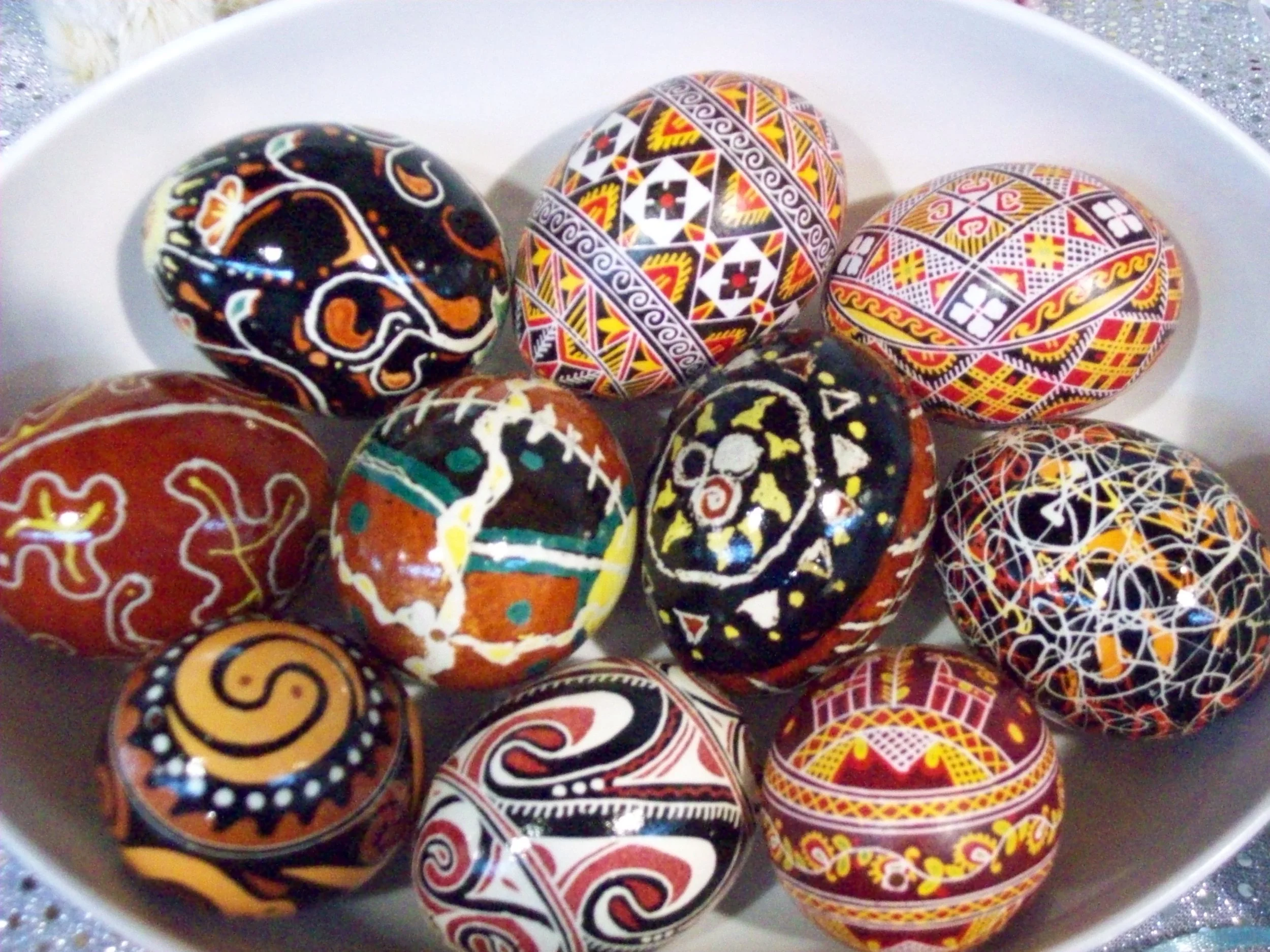
Ancient Romans and Greeks used eggs as symbols of fertility, rebirth, and abundance- eggs were solar symbols, and figured in the festivals of numerous resurrected gods.
Easter Lily — calla lily — fertility and new life
Spring as the New Year
The New Year
In many traditions, this is the start of the new year. The Roman year once began in March, and the astrological year begins at the spring equinox when the sun enters Aries, the first sign of the zodiac. March is named for Mars, the Roman god often associated with the Greek Ares. In England, Wales, and Ireland, March 25 — Lady Day — was used as the start of the legal year until the calendar reforms of 1752, though Scotland changed earlier.
Nowruz, the Persian New Year, falls around the spring equinox. Its ceremonial table, the Haft-Sin, commonly includes symbolic items such as sprouts, apples, garlic, vinegar, sumac, coins, candles, a mirror, sweets, decorated eggs, and sometimes a bowl of water or a fish. Some families also include a sacred or beloved book, such as the Qur’an, the Shahnameh, the Divan of Hafez, or another meaningful text.
Conclusion
So, when we ask, “What happened before that?” we are not only looking backward through history; we are following a thread. Easter becomes a doorway into an older remembering, where the earth softens to receive the seed, the light returns, and every buried thing begins to stir again. Across names and nations, through Eostre and Easter, eggs and rabbits, gods who descend and rise, we hear the same ancient whisper: life is not finished. The world wakes. The sap rises. The stone rolls away. And spring, in its bright and stubborn mercy, asks us to rise with it.